Photography
Gallery
A visual journey through the ancient rock-cut sanctuaries of Pandavleni.
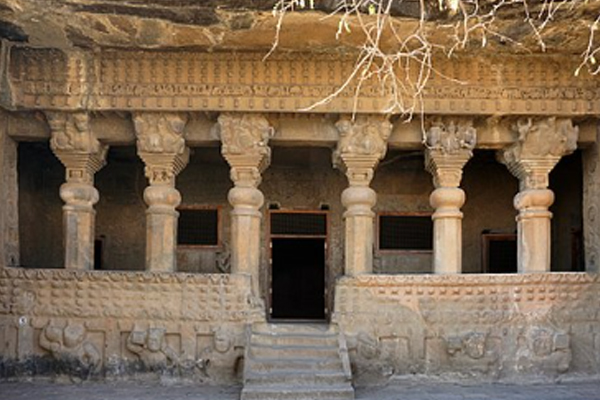
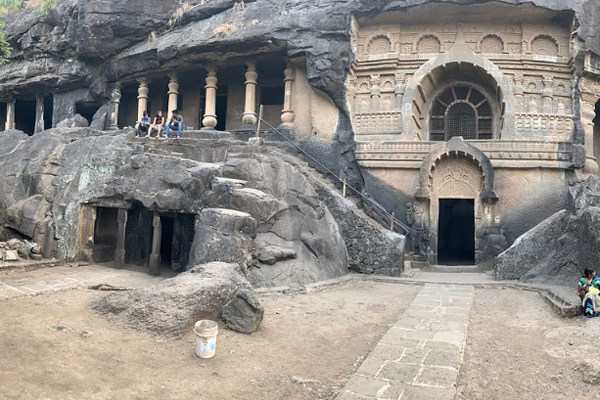
Nashik, Maharashtra · 24 Rock-Cut Caves · 3rd Century BC – 6th Century AD
Nashik, Maharashtra
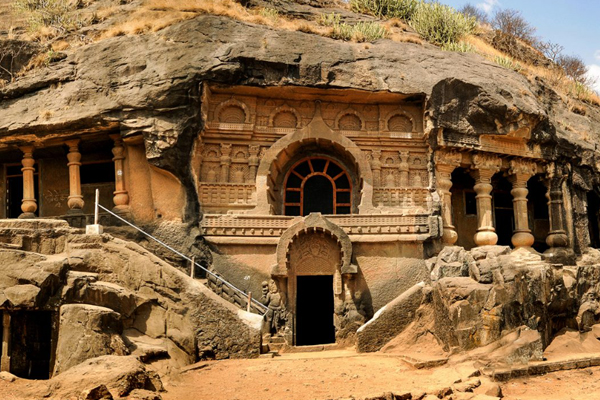
Perched atop the Trirasmi Hill, just 8 kilometres south of the heart of Nashik, lie the Pandavleni Caves — 24 remarkable rock-cut caves that stand as silent witnesses to India's Buddhist legacy. Known also as the Trirashmi Caves or Nashik Caves, this ancient complex dates from the 3rd century BC to the 6th century AD, representing one of the finest examples of Hinayana Buddhist architecture on the subcontinent.
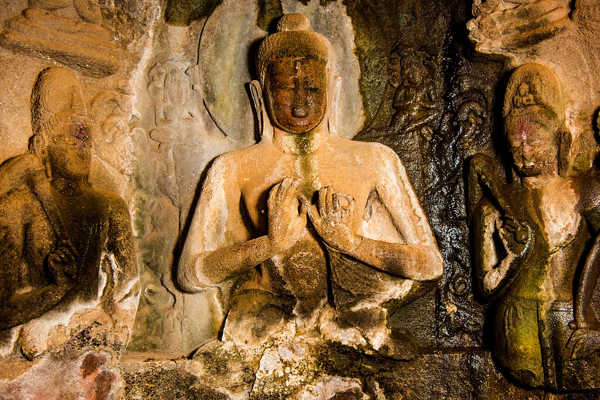
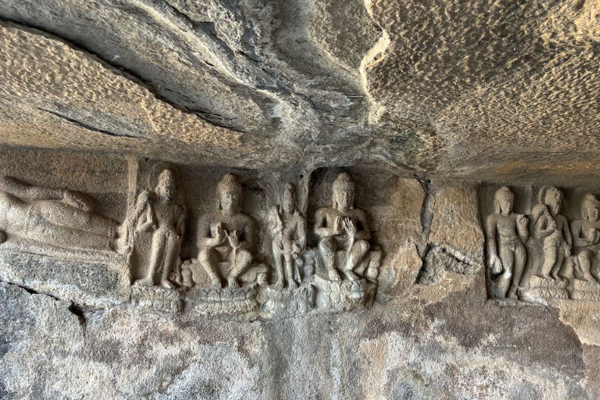
Carved directly into the north face of Trirasmi Hill, these caves were sheltered from the sun and monsoon rains, allowing their exquisite carvings, sculptures, and inscriptions to survive nearly 2,000 years remarkably intact. The caves were funded by kings, merchants, and devotees of the Satavahana and Kshaharata dynasties — rulers who were devoted patrons of Buddhism and Jainism.
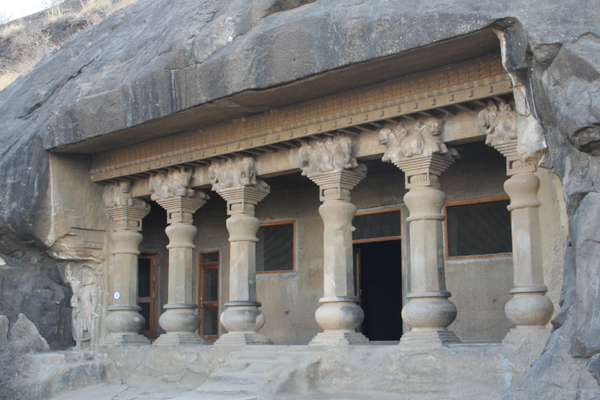
Most of the 24 caves are viharas — residential monasteries for Buddhist monks — while Cave 18 stands out as a beautifully carved chaitya (prayer hall) complete with a stupa. The complex also features an ingenious ancient water management system with stone-chiselled tanks that still evoke admiration.
Explore
Among the 24 caves, four are considered particularly significant for their outstanding architecture, inscriptions, and sculptures.
The largest cave, built in the 2nd century CE by Queen Gotami Balasiri, mother of Satavahana king Gautamiputra Satakarni. The 41×46 ft hall contains 18 monk cells and six ornate pillars — the sculpted doorway echoes the gateways of Sanchi.
Built around 120 CE by the viceroy of Nahapana. One of the oldest and finest viharas, this cave boasts elaborate pillar carvings that represent an important phase in the evolution of Indian rock-cut architecture. Must-see for architectural enthusiasts.
The only chaitya (prayer hall) in the complex, dating to the 1st century BCE. It houses a magnificent stupa and faces eastward, allowing morning sunlight to illuminate the interior. The horseshoe-arched façade is a crowning example of early Buddhist art.
A sacred Jain cave dedicated to Lord Vrishabhanath (Rishabhanatha), the first Tirthankara. This cave marks the dual Buddhist and Jain heritage of the Pandavleni complex and contains beautifully detailed sculptures of the Tirthankaras.
Contains the inscription of Sri Yajna Satakarni, the last powerful Satavahana king. This cave is crucial for historians studying the dynastic history of Western Maharashtra — the Satavahanas, Western Kshatrapas and Abhiras are all referenced in its inscriptions.
One of the most impressive features of the complex is its ancient water management system — stone cisterns and tanks skillfully carved from solid rock. These supplied the resident monks with fresh water and still demonstrate the engineering genius of the era.
The 200-step climb to the summit rewards visitors with sweeping panoramic views of Nashik and the surrounding Sahyadri range. The vantage point from 3,000 feet above sea level makes the trek an experience worth every step.
Photography
A visual journey through the ancient rock-cut sanctuaries of Pandavleni.
Plan Your Trip
Explore More
Combine your Pandavleni visit with these celebrated landmarks in and around Nashik.
Located at the very foot of Trirasmi Hill, this memorial honours Dadasaheb Phalke — the Father of Indian Cinema. A perfect starting point before the cave trek.
One of the twelve sacred Jyotirlingas dedicated to Lord Shiva, situated near the source of the Godavari River. A must-visit spiritual landmark with extraordinary carvings.
A scenic waterfall especially spectacular during and after the monsoon season. Surrounded by lush greenery, it offers a refreshing escape from city heat.
Sacred sites on the banks of the Godavari River where Lord Rama, Sita and Lakshmana spent their forest exile. Ramkund is where Lord Rama is said to have bathed daily.
India's most celebrated winery, offering guided tours, wine tastings, and a resort stay amidst sprawling vineyards — a unique contrast to the ancient caves.
Just 87 km from Nashik, the world-renowned Shirdi Sai Baba shrine is easily combined with a Pandavleni day trip. Stay with Shirdi Hotels for seamless travel planning.
Pro Tips
Make the most of your visit with these practical tips from seasoned travellers.
Start Early: Arrive at the base of the hill by 8–9 AM to enjoy a cooler temperature for the 200-step climb and avoid midday heat, especially from February onwards.
Wear Sturdy Footwear: The stone steps and cave floors can be uneven and slippery after rains. Closed-toe shoes with grip are strongly recommended.
Carry Water: Vendors are available at the foothills, but carry your own water bottle for the climb. Hydration is key, especially in warmer months.
Photography: The caves face north, so morning light from the east illuminates cave interiors beautifully. Early morning is the golden hour for photography.
Combine Attractions: Plan your day to include Dadasaheb Phalke Smarak (at the base), then the caves, followed by Kalaram Temple and Ramkund — all within the Nashik circuit.
Restroom Facilities: Available at the foothill area before the climb begins. Use them before ascending as there are no facilities inside the caves.
Stay with Shirdi Hotels and explore Pandavleni Caves, Trimbakeshwar, Panchvati, Sula Vineyards and more — all in one curated trip.
Book Your Hotel